
The October 2026 Collector Guide to Adult LEGO
For kidult collectors, a satisfying shelf is curated on purpose. Each model has a place, a reason to be there, and enough breathing room to be seen. That idea changes the first question from “What is the biggest set I can build?” to “What would make this display feel more like mine?” A favorite theme, a shape that balances the room, or a build you can finish over a few evenings can all be strong answers.
This guide is a practical way to make that choice. Start with the shelf and the time you have, decide what role the next model should play, then use DisplayGrade’s current catalog pages to compare the details that matter. The kidult collecting guide is a useful companion if you are still deciding what kind of collection you want to build.
Choose an Anchor Set
An anchor set gives a shelf its direction. It might be the largest model in the arrangement, the one with the strongest color, or simply the subject you most want to see every day. Before browsing, write down one sentence about what you want the display to do: add a landmark, bring a favorite story into the room, create a botanical corner, or make a compact desk feel finished.
Then browse the full catalog with that purpose in mind. The featured selection below spans different shapes and display roles: the Bugatti Bolide, Bonsai Tree, Lion Knights' Castle, AT-AT, Eiffel Tower, and Titanic. Treat them as examples to inspect, not a ranking. Their set pages show the current catalog name, DisplayGrade, piece count, release year, dimensions, and images so you can judge each against your own collection.

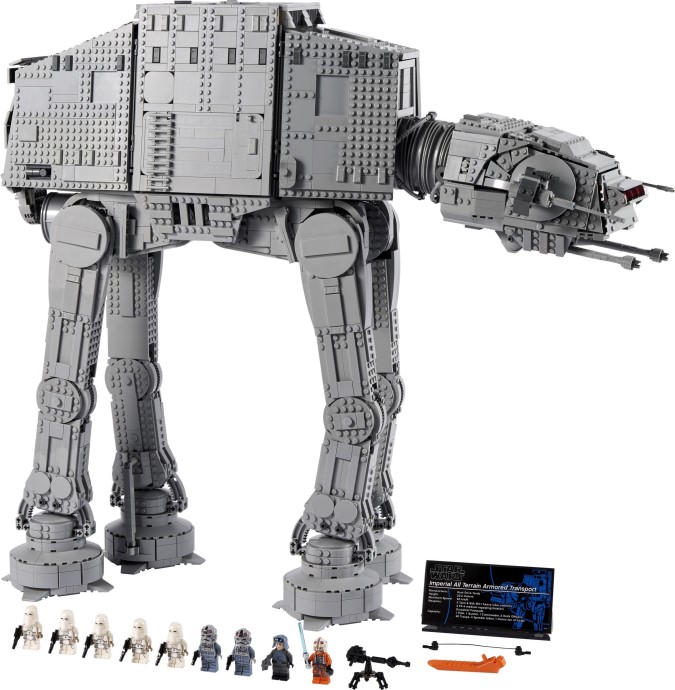
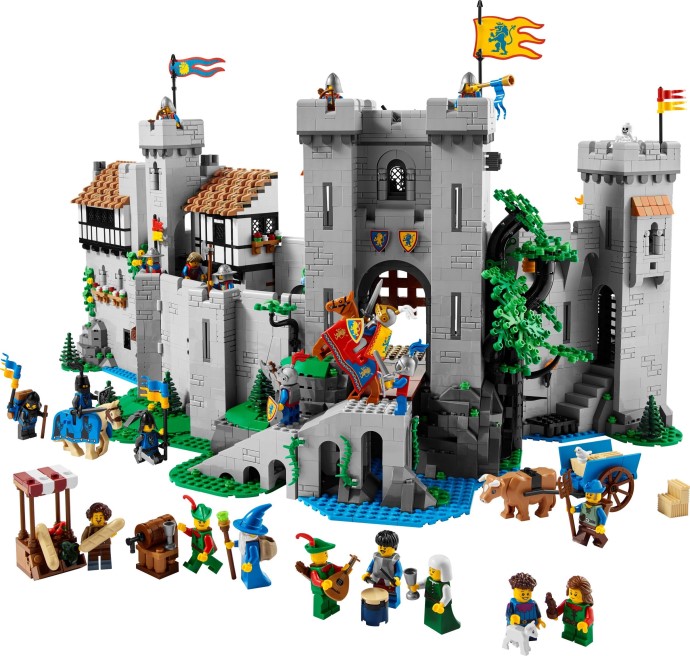

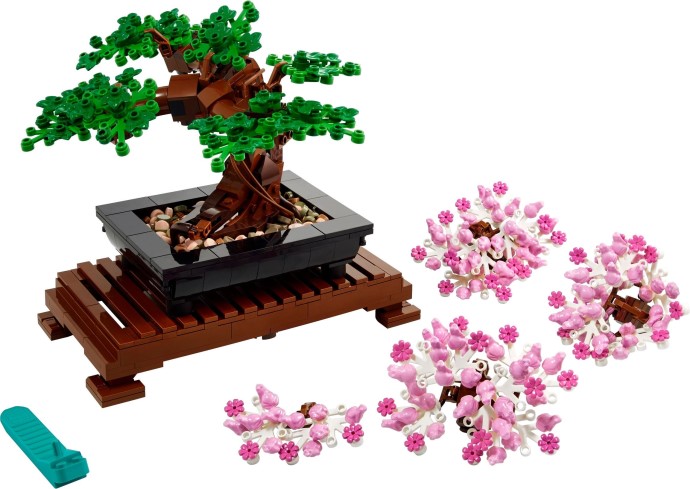
If you already own several models, choose an anchor that adds a new shape or mood instead of repeating the same visual note. If this will be your first large display build, choose a subject you will still be pleased to see when the novelty of the box has passed. A set can be impressive in a product photo and still be the wrong anchor for a particular room.
Match the Build to Your Available Time
Build commitment is more than piece count. A detailed model may call for long, focused sessions, while another can be split into short evening builds. Think about how much uninterrupted time you enjoy, whether you like sorting and organizing pieces, and whether the build itself is the main event or the route to a finished display.
Use the skill-level guide to get a sense of how DisplayGrade groups builds by challenge. On an individual set page, compare its piece count and listed release year with its DisplayGrade score and description. The score is a catalog comparison signal, not a promise that a set will match your personal difficulty preference. Reviews and the build style can add context that a single number cannot.
It also helps to choose a realistic stopping point. If you usually build in short sessions, plan a place where an unfinished model can sit safely between them. If a multi-evening build sounds relaxing, protect that time rather than treating the box as one more item to complete quickly. The right commitment is the one that fits your routine without making the hobby feel like a deadline.
Measure Before You Decide Where It Goes
Pick the display location before you settle on a model. Measure usable width, depth, and height inside the space, including fixed shelf rails, lighting, doors, and the wall behind it. Leave clearance around the model so you can set it down, dust it, and see its shape without pressing it against neighboring objects.
The catalog’s compact, mid-size, statement, and showpiece pages are useful filters, but a size band is only a starting point. Two sets in the same band can occupy very different footprints. A tall model may need vertical clearance; a long vehicle may need an uninterrupted shelf; a wide structure may need room to view it from more than one side.
Open the individual detail page and check every listed dimension rather than measuring only the most obvious axis. Decide how the model will be posed and whether moving parts, wings, doors, or removable sections need extra room. For heavier models, check the furniture’s load rating and use a level, rigid surface. The shelf-fit guide walks through this measurement process in more detail.
Finally, measure the route from the building area to the display. A finished model may be awkward to carry through a doorway or place through a narrow cabinet opening. Planning that route early can save you from moving furniture or dismantling a completed build later.
Combine Themes and Scales with Intention
A collection feels cohesive when its differences look deliberate. You can group sets by subject, color, silhouette, or the kind of scene they suggest. A row of city landmarks reads differently from a mix of vehicles and botanical shapes, but either can work when you decide what should lead and what should support it.
Mixing scales can make a shelf more interesting. Put one anchor in the most visible position, then use smaller builds to create a transition rather than lining up every model as if it had equal weight. Leave a little open space between unlike silhouettes. If several sets share a color palette or theme, give them enough variation in height or orientation to keep the display from looking flat.
Before buying another model for an existing theme, consider whether you want a focused collection or a broader personal mix. There is no requirement to complete a series. A collection can include one meaningful set from several interests, and a seasonal rotation can give older builds a fresh place without requiring more shelf space.
Read the Current Catalog, Not an Old Screenshot
Catalog information is most useful when the fields are considered together. Check the set detail page for the current name, piece count, release year, DisplayGrade, dimensions, and images. The set page is the source for its displayed catalog data; a review, saved browser tab, or older article may reflect an earlier snapshot.
Use the comparison tool when two candidates seem close. Put them side by side and compare the build scale, available dimensions, and DisplayGrade instead of relying on box art alone. Then open both detail pages to inspect their images and descriptions. A score can help narrow a list, but your preferred subject, available space, and build style should make the final call.
This is also a good point to set a budget ceiling before you shop. For more ways to narrow the choice, see the adult LEGO display-size guide, the best LEGO sets under $100 guide, and Best Adult LEGO Sets in 2026. Use those guides for ideas, then return to the catalog for the current details on any set that catches your eye.
Check Live Price and Availability
Prices and stock can change between visits, so avoid treating a number in a saved article or screenshot as a current offer. Open the set’s detail page for its retailer comparison, then check deals for current prices and availability across the catalog. Confirm the retailer, shipping terms, and stock status shown when you are ready to buy.
If the set is not available at the price you planned, pause and compare alternatives rather than letting urgency decide for you. You can revisit the catalog later or choose another model that fills the same role on your shelf. A collecting plan works best when it includes room for changing offers and changing priorities; it does not depend on claims about future resale value.
A Short Purchase and Display Checklist
Before placing an order, run through these checks:
- Name the role — decide what the set adds to your collection and where it will sit.
- Measure the display — record usable width, depth, and height, then leave access and viewing clearance.
- Check the full dimensions — compare every axis and the intended pose with the actual shelf.
- Choose a comfortable build — use the skill-level guide, piece count, and set description to set expectations.
- Compare candidates — use the comparison tool when you have two plausible options.
- Review live shopping details — check the set page and deals for current retailer price and stock.
- Plan the finished display — confirm the shelf can support the model and that you can move it into place safely.
Once the set is built, give it room to be enjoyed. Keep the display stable, leave a practical path for dusting, and make sure the model can be removed without pulling on delicate sections. The shelf is part of the finished project, so the final arrangement deserves the same care as the build.
Further Reading
- The Kidult Guide — think through the role collecting plays in your home and routine.
- Adult LEGO Display Size Guide — measure a shelf and compare display bands.
- Best LEGO Sets Under $100 — explore budget-conscious candidates.
- Best Adult LEGO Sets in 2026 — browse more cross-theme ideas.
- Browse all sets and check current deals before you buy.
The best October addition is not necessarily the largest or highest-scoring set. It is the one you are excited to build, can display comfortably, and still want to make space for when the next box catches your eye.