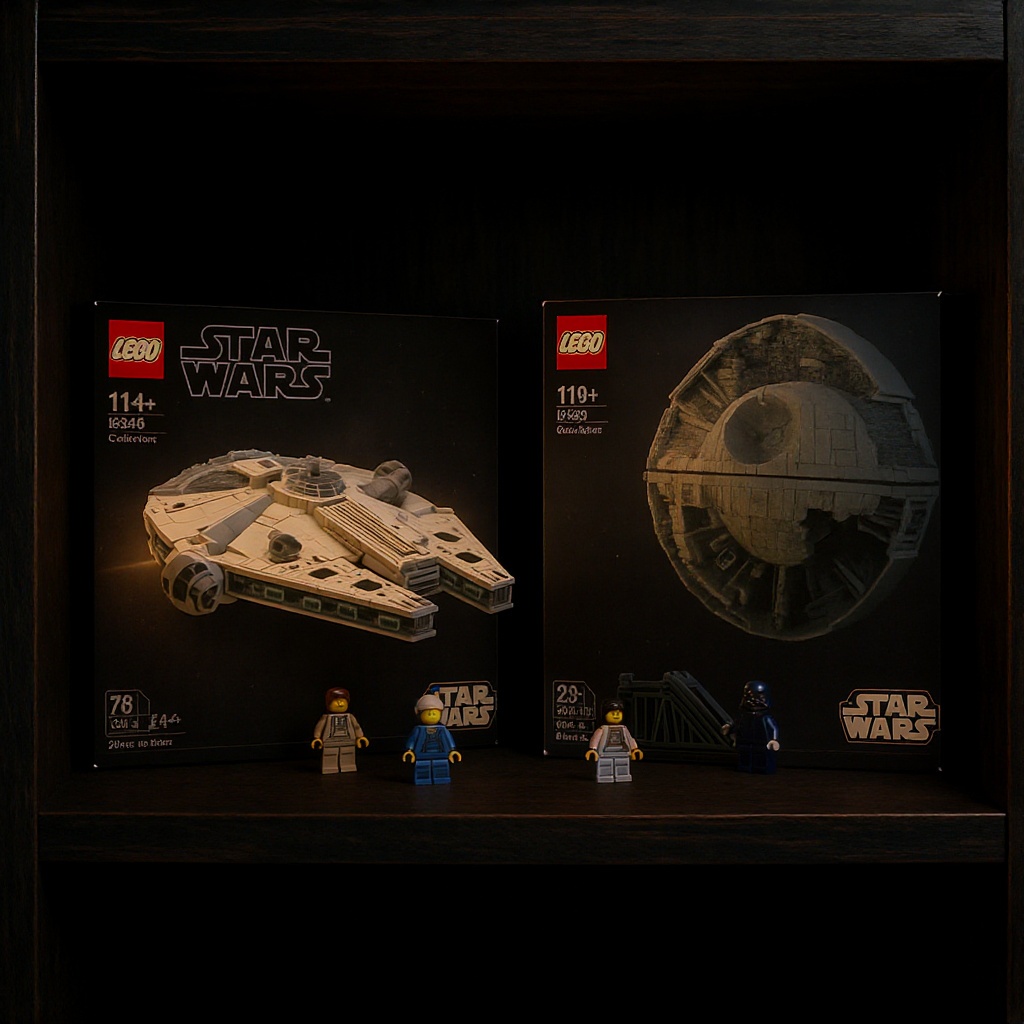
The Ultimate Star Wars LEGO Display & Storage Guide
If you've got Star Wars LEGO sets—whether you're a casual fan with one Millennium Falcon or a collector with dozens of sets—you're probably wondering: *How do I display these without them gathering dust? What happens when my shelf space runs out? How do I keep them looking pristine?*
This guide covers everything you need to know about displaying, storing, protecting, and maintaining your Star Wars LEGO collection.
---
Why Star Wars LEGO Display & Storage Matters
Star Wars LEGO sets are expensive. A single set can run $100–$900+. They're intricate, detailed, and worth preserving. Unlike casual toys, these are collectible investments that deserve proper care.
The difference between a well-displayed and poorly-stored collection:
- Well-displayed: Sets stay clean, colors don't fade, pieces don't stress or break, resale value holds
- Poorly-stored: Dust accumulates, colors fade in sunlight, pieces warp from pressure, value drops 30–50%
This guide walks through every option—from minimal investment to museum-grade preservation.
---
Part 1: How to Display Star Wars LEGO Sets
Option 1: Open Wall Shelving (Most Popular)
Best for: Collectors with 3–15 sets, dedicated display space, budget $50–300.
Open shelves are the most flexible Star Wars LEGO display solution. You get visibility, easy access, and complete control over arrangement.
Setup:
- Floating shelves (24–48 inches wide) work best for larger sets like the UCS models
- Wall studs rated for 25–50 lbs per shelf; most Star Wars LEGO sets weigh 3–10 lbs
- Space shelves 12–15 inches apart vertically to accommodate tall sets (UCS Millennium Falcon is 27 inches)
- Position at eye level (48–60 inches from floor) for viewing comfort
Advantages: Low cost, simple installation, easy access to rearrange and clean sets, displays sets exactly as intended, flexible for mixed collections.
Disadvantages: Dust accumulates; requires regular cleaning. Not dust-sealed; exposed to airborne particles. Limited by wall space.
Cost: $50–$300 for a 5-shelf setup.
Option 2: Enclosed Display Cases (Premium Display)
Best for: High-value sets, humidity-controlled environments, serious collectors.
Glass or acrylic display cases seal out dust and provide a showcase aesthetic.
Types:
- Wall-mounted glass cabinets ($100–$400): Best for organized collections; glass doors seal out dust
- Acrylic display risers ($20–$100 per riser): Clear tiered stands for shelves; dust-resistant but not sealed
- Museum-grade acrylic cases ($200–$800): Completely sealed; UV-filtering options available; professional appearance
Setup:
- Position away from direct sunlight (UV rays degrade plastic and decals)
- If enclosed, use silica gel packets inside to control humidity (ideal: 35–50% relative humidity)
- Arrange sets on risers inside for maximum visibility
- Leave 2–3 inches of clearance on all sides for air circulation
Advantages: Dust-free environment; minimal maintenance. Protects from accidental damage and handling. UV-filtering options prevent fading. Preserves resale value.
Disadvantages: Higher cost ($100–$800+ depending on size). Reduces accessibility. Condensation risk if humidity not controlled.
Option 3: Display Case with Built-in Lighting
Best for: Display that showcases sets as centerpieces; collectors wanting dramatic presentation.
LED lighting transforms how sets appear and draws attention.
Setup:
- Use warm white LEDs (2700K–3000K) to match natural light and avoid color distortion
- Install strips along shelf edges, above sets, or inside glass cases
- LED strips are adhesive-backed, low-power, and affordable
- Add dimmer switches for adjustable brightness
Advantages: Dramatically improves visibility and aesthetic appeal. Makes sets the focal point of a room. LEDs produce minimal heat (won't warp plastic). Low power consumption.
Disadvantages: Requires electrical outlet access or battery-powered LEDs. Adds cost ($30–$150).
Option 4: LEGO Minifigure Display Walls
Best for: Collectors with extensive minifigure collections; complement to larger set displays.
Star Wars LEGO minifigures are highly collectible. Dedicated minifig displays organize and protect them.
Options:
- Frame displays: $30–$80; holds 16–24 minifigures in compartments
- Shadow box displays: $50–$150; custom-built frames with background (Death Star, X-Wing silhouettes)
- Acrylic shelving units: $40–$100; tiered, clear shelves designed for minifigures
Setup: Position minifigures at consistent heights so details are visible. Use UV-filtering glass if near windows. Group by faction (Rebels, Empire, Bounty Hunters) for visual coherence.
---
Part 2: Storage Solutions for Star Wars LEGO Sets
Not all your sets need to be on display. Whether you're rotating collections, waiting for shelf space, or preserving sets long-term, proper storage is crucial.
Option 1: Original Boxes (Ideal Storage)
Best for: Long-term preservation, future resale, valuable sets.
Setup:
- Store boxes in a climate-controlled closet, basement, or storage cabinet
- Keep humidity 35–50%; temperature 60–75°F
- Stack boxes no more than 3–4 high (weight will crush bottom box)
- Use plastic bins to protect boxes from dust, moisture, and pests
- Store upright when possible to minimize pressure on internal components
Advantages: Preserves original packaging (crucial for resale value). Keeps instructions, minifigures, and pieces organized. Original box adds $50–$200+ resale value per set.
Disadvantages: Boxes are bulky; takes up space. Risk of crushing if stacked too high.
Option 2: Plastic Storage Bins
Best for: Medium-term storage, rotating collections, smaller sets.
Setup:
- Use food-grade plastic bins (BPA-free) to avoid plastic off-gassing
- Choose clear containers so contents are visible
- Label bins with set names and SKU numbers for easy identification
- Don't overfill; allow 20% empty space for air circulation
- Use silica gel packets in sealed bins to control humidity
Advantages: Affordable ($3–$15 per bin). Stackable; space-efficient. Transparent; easy to identify contents.
Disadvantages: Doesn't preserve original boxes. Can trap moisture if not ventilated.
Option 3: Dedicated Storage Furniture
Best for: Large collections, long-term organized storage.
Options:
- Plastic organizer units: $50–$200; modular, adjustable shelves
- Metal shelving units: $100–$300; industrial capacity, better weight support
- Custom storage cabinets: $200–$1000+; built-to-spec with doors, climate control
Setup: Position in climate-controlled room. Use shelf dividers to organize by set size or theme. Keep away from exterior walls (temperature fluctuations).
Option 4: Under-Bed Storage
Best for: Small to medium collections, space-constrained homes.
Setup: Use shallow, clear plastic bins (6–12 inches tall). Store completed sets with instructions and original boxes. Check periodically for moisture or pest intrusion.
Advantages: Maximizes unused space. Affordable and simple.
Disadvantages: Limited temperature control. Higher humidity risk. Difficult to access frequently.
---
Part 3: Protecting Your Star Wars LEGO Collection
1. Dust and Dirt
Dust accumulates on sets, especially in open display. Solutions:
- Enclosed displays: Acrylic cases with sealed doors; prevents 95% of dust
- Display domes: Acrylic covers for individual large sets; $20–$60 per dome
- Regular cleaning: Soft brush or compressed air for open shelves; every 2–4 weeks
- Microfiber cloths only — avoid paper towels and abrasive materials
2. Sunlight and Fading
Direct sunlight fades plastic colors and decals. A set in direct sunlight for 6–12 months can lose noticeable color vibrancy, especially reds and yellows. Solutions:
- Avoid direct sunlight: Position displays away from windows
- UV-filtering glass: $50–$200 depending on size
- Rotate sets: Move sets from display to storage every 3–6 months
3. Temperature Fluctuations
Plastic expands and contracts with temperature changes. Extreme fluctuations can cause warping, stress on connections, and premature brittleness. Solutions:
- Climate-controlled environments: 60–75°F is ideal
- Avoid basements, attics, garages — these fluctuate with seasons
- Away from heat sources: Don't store near radiators, vents, or direct AC airflow
4. Humidity and Moisture
High humidity (>60% RH) promotes mold and rust on minifigure metal elements. Low humidity (<25% RH) causes plastic to become brittle. Solutions:
- Silica gel packets in sealed storage; replace when saturated (every 3–6 months)
- Dehumidifiers in humid environments
- Target 35–50% relative humidity. Use inexpensive humidity meters ($5–$15).
5. Handling and Accidental Damage
Sets get bumped, dropped, or mishandled. Solutions:
- Closed display cases prevent accidental bumps
- Museum putty ($5–$10) to secure sets in place on shelves
- Handle by base or frame, never by protruding pieces
- Replacement parts: Keep spare pieces or buy from BrickLink
6. Pest Control
Insects and rodents can damage plastic, stickers, and instruction manuals. Solutions:
- Sealed storage: Use airtight bins; pests can't enter
- Pest deterrents: Cedar blocks or peppermint oil-soaked cotton balls in storage areas
- Regular inspection: Check stored sets every 2–3 months
---
Part 4: Organization Systems for Large Collections
System 1: By Theme or Faction
Group sets by Star Wars era or faction:
- Original Trilogy: Imperial sets, Rebellion sets, Bounty Hunters
- Prequel Trilogy: Jedi, Sith, Republic, Separatists
- Sequel Trilogy: Resistance, First Order
- Standalone: Rogue One, Mandalorian
System 2: By Set Size
- Large sets (UCS, 2000+ pieces): Display prominently
- Medium sets (500–1500 pieces): Secondary display or rotation
- Small sets (<500 pieces): Minifigure displays or rotating shelf
System 3: By Value or Rarity
- Valuable sets: Premium display (enclosed case, lighting)
- Mid-tier sets: Standard shelving
- Common/newer sets: Rotation or storage
---
Part 5: Budget Guide
Minimal Budget ($50–$150)
- 2–3 floating shelves
- Soft brush and compressed air for cleaning
- Silica gel packets for storage
- Clear storage bins for inactive sets
Moderate Budget ($200–$500)
- Wall-mounted shelving unit with 5–6 shelves
- LED strip lighting
- One small acrylic display case for premium sets
- Organized storage system (plastic bins + labels)
- Museum putty for securing sets
Premium Budget ($600–$1500+)
- Custom-built display cabinet with glass doors
- UV-filtering glass and climate control
- Dedicated storage furniture with climate monitoring
- Professional lighting (dimmable, warm white)
- Humidity and temperature monitoring
---
Part 6: Maintenance Schedule
Weekly: Visual inspection for dust. Check for any sets that have shifted or destabilized.
Monthly: Gentle cleaning with soft brush or compressed air. Check humidity and temperature levels.
Quarterly: Replace silica gel packets. Inspect stored sets for any moisture or pest signs. Rotate sets between display and storage.
Annually: Deep clean of display area and shelves. Check for any fading or damage from sunlight. Review organization system. Document collection with photos for insurance purposes.
---
Common Star Wars LEGO Display Mistakes to Avoid
1. Stacking sets vertically — Large UCS sets aren't designed for stacking weight. Stack only small sets, and max 2–3 high. 2. Displaying in direct sunlight — Even indirect window light fades colors over time. Move sets away from windows or use UV-filtering glass. 3. Over-humid storage — Humidity above 60% RH causes warping and mold. Use silica gel and monitor with humidity meters. 4. Sealed boxes without ventilation — Trapped moisture causes problems. Leave small air gaps even in sealed storage. 5. Cheap shelving that bends — UCS sets are heavy. Use wall studs and rated shelves, not flimsy particleboard units. 6. No labeling — Without labels, you won't remember what's stored where. Label everything clearly. 7. Overcrowding displays — Cramped displays are hard to clean and look chaotic. Leave breathing room between sets. 8. Ignoring climate control — Temperature and humidity fluctuations degrade plastic faster than time alone. Invest in a basic humidity meter ($5–$10).
---
Final Thoughts
Your Star Wars LEGO collection is an investment—both financial and emotional. Whether you're displaying a single beloved set or curating a museum-quality collection, the right display and storage approach pays dividends in preservation, enjoyment, and resale value.
Start with your budget and space. Choose open shelving if you love easy access and have wall space. Go with enclosed displays if you prioritize protection and have room for cases. For sets you're not displaying, use sealed plastic bins with silica gel in a climate-controlled space.
Browse all Star Wars sets on DisplayGrade to find your next addition.